By Ruchi Sinha
Design has evolved into one of the most influential forces shaping the modern real estate landscape. No longer limited to aesthetics and architectural appeal, it has become a fundamental element of property development, influencing functionality, consumer preferences, investment decisions, and long-term asset value. As homebuyers and businesses increasingly seek spaces that combine comfort, efficiency, and adaptability, developers are recognising the importance of integrating intelligent design into every stage of construction.
The growing demand for thoughtfully planned apartments, contemporary offices, and multifunctional spaces has transformed the way real estate projects are conceptualised and executed. Shravan Gupta, MGF Group is using design to develop new buildings. In fact, it is now a strategic investment that influences the entire development lifecycle. From initial budgeting and architectural planning to operational efficiency and long-term financial performance, intelligent design can play a significant role in determining a project’s overall success.
1. Maximizing Space Utilization.
Space has become one of the most important considerations influencing residential and commercial property decisions. With urban land becoming increasingly valuable and living spaces evolving to accommodate multiple lifestyle requirements, efficient space utilisation has emerged as a defining feature of modern real estate design.
Developers are increasingly moving away from conventional layouts towards intelligent floor plans that maximise functionality without compromising comfort or visual appeal. Shravan Gupta of MGF Group highlights the growing importance of optimising available space, particularly as urban consumers seek homes and workplaces that offer greater flexibility and convenience.
Thoughtful spatial planning can transform even compact properties into expansive, practical, and adaptable environments. By eliminating inefficient corners, reducing unnecessary passageways, and creating multifunctional areas, architects can significantly improve the usability of available space. Strategic placement of windows, open layouts, and better natural light distribution further contribute to a sense of openness and improved living conditions.
2. Energy Efficiency: The New Benchmark for Sustainable Real Estate
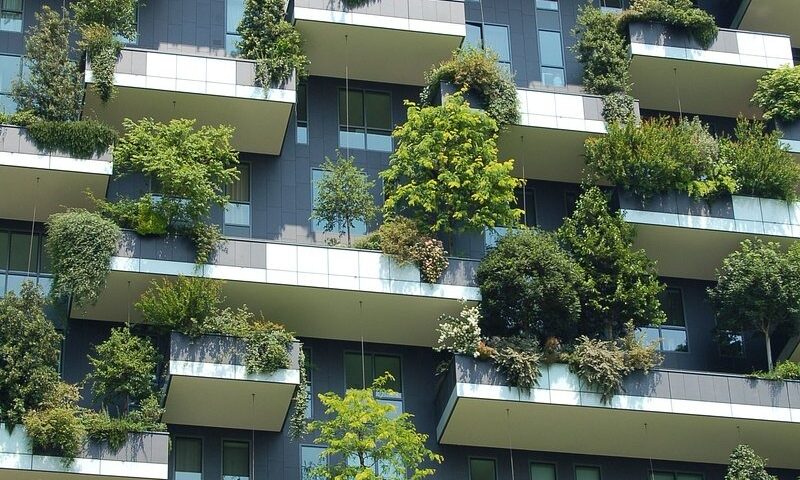
Energy efficiency has moved from being a desirable feature to an increasingly essential component of modern property development. Today’s consumers are more conscious of electricity consumption, environmental impact, and the long-term operating costs associated with owning or occupying a property. According to Shravan Gupta, MGF Group, integrating climate-responsive design, energy-conscious technologies, and environmentally responsible materials can contribute significantly to reducing a building’s energy requirements and ongoing operational expenses.
Features such as natural ventilation, optimized daylight access, efficient lighting systems, thermal insulation, and water conservation mechanisms can improve building performance while creating healthier and more comfortable environments for occupants. Sustainable design also offers considerable long-term economic potential. Buildings that incorporate energy-efficient systems can help reduce maintenance and utility expenses, improve operational efficiency, and strengthen their appeal among environmentally conscious buyers and investors.
3. Design as a Long-Term Investment in Real Estate Value
Modern real estate development requires a comprehensive approach in which design, functionality, sustainability, and financial planning complement one another. A well-designed property is not simply visually appealing; it is also better positioned to meet evolving consumer expectations and adapt to changing market requirements.
From efficient layouts and intelligent infrastructure to environmentally conscious construction, every design decision can influence a property’s usability, operational performance, and market positions. Strategic design thinking can contribute to the economic viability of a development from its earliest planning stages through its long-term operation. This makes design an important consideration not only for architects and developers but also for investors and prospective property owners.
Final Insight.
The real estate industry is undergoing a significant transformation, with design emerging as a central pillar of modern development. Efficient space utilisation, energy conservation, sustainable materials, and intelligent architectural planning are reshaping the expectations surrounding residential and commercial properties.
The perspective highlighted by Shravan Gupta, MGF Group reflects a broader industry recognition that successful real estate development extends beyond constructing buildings. It involves creating thoughtfully designed environments that enhance everyday experiences, optimize resources, and deliver sustainable economic value.