By Shravan Gupta.
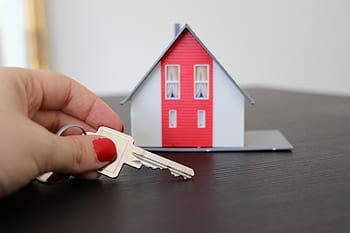
The Indian perspective on home ownership has fundamentally shifted, moving from viewing it as a mere commodity to recognising it as a necessity. Shravan Gupta notes this change is driven by an increasing appreciation for the value of owning a home over renting, which has significantly boosted the Indian real estate market.
In 2026, the psychology of home buying is rapidly evolving, shaped by changing lifestyles, aspirations, and economic realities. Understanding these motivations is now crucial for both developers and policymakers, according to Gupta. Today’s homebuyers are looking beyond just the size and location of a property; they are primarily seeking security, comfort, a sense of identity, and long-term financial stability.
India’s real estate sector is witnessing a transformation in how people perceive property ownership. While traditional motivations such as family security and social status remain strong, newer psychological factors are influencing the market. Technology, financial awareness, lifestyle aspirations, and post-pandemic reflections on personal space have all reshaped how Indians think about buying a home.
The Emotional Angle
Home ownership has been associated with emotional reassurance in Indian culture. The value of owning homes has been a dominant part of our culture and values. Shravan Gupta says for Indian buyers, a home is far more than just a dwelling; it is the definitive symbol of personal success and enduring family security. In contrast to many Western cultures where renting is a common practice, property ownership in India is imbued with deep emotional significance. It represents a constant in a world of flux, a space where families can flourish, traditions can be upheld, and major life milestones are celebrated. This emotional connection is especially profound for first-time purchasers. The act of buying a first home is frequently viewed as a key rite of passage, signifying a transition to financial independence and adulthood.
A Symbol of Social Status
Homeownership has always been about growing social status. But in 2026, the psychological factor influencing home buyers is identity. Shravan Gupta believes in this changing demographic and notion amongst new home buyers. He believes that modern buyers are increasingly conscious of how their living spaces align with their personal identity. A home in a well-designed community or an emerging urban hub often symbolises upward mobility and success. This shift is particularly evident among young professionals who prioritise lifestyle-driven developments that offer co-working spaces, wellness amenities, and social infrastructure. For them, the home is not only a private space but also a social environment that reflects their ambitions and values.
Adapting to the Changing Notion
He has embraced this change by championing the idea that homes should be more than just buildings—they should be lifestyle spaces. Today’s buyers are looking for communities that fit seamlessly into their daily lives, offering wellness amenities, lush green areas, social hubs, and work-friendly setups. The focus is on creating places that foster a sense of belonging and emotional well-being. Developers are now thinking beyond the physical structure, considering how residents will live, connect, and thrive within these environments.
Another way Shravan Gupta has incorporated the evolving psychology of homebuyers is through the growing emphasis on wellness-driven residential design. Buyers in 2026 increasingly associate their homes with mental and physical well-being. These features are no longer luxuries; they are essential components that enhance quality of life. This focus on wellness reflects a broader shift in buyer expectations, where homes are viewed as personal sanctuaries that support health, productivity, and emotional balance.